snowmobile ski guides
Snowmobile ski guiding merges the thrill of backcountry skiing with efficient snowmobile access, opening remote, pristine slopes․ This exciting field caters to a growing demand for unique winter adventures․
The increasing popularity of backcountry skiing, coupled with snowmobile technology, has fueled the demand for skilled snowmobile ski guides, offering access to untouched powder․
What is Snowmobile Ski Guiding?
Snowmobile ski guiding represents a specialized form of backcountry skiing where snowmobiles are strategically utilized to transport skiers to remote and otherwise inaccessible terrain․ Unlike traditional ski touring, which relies entirely on human power for ascent, snowmobiles significantly reduce travel time and physical exertion, allowing guides to reach prime skiing locations efficiently․
Guides are responsible for navigating challenging winter landscapes, ensuring client safety, and locating exceptional powder stashes․ This involves a deep understanding of snow conditions, avalanche terrain, and effective route-finding․ They expertly operate snowmobiles, manage group dynamics, and provide instruction on backcountry skiing techniques․ Essentially, snowmobile ski guiding offers a unique blend of motorized access and human-powered descent, creating unforgettable experiences in the wilderness․
The Growing Popularity of Backcountry Skiing & Snowmobiles
Backcountry skiing has experienced a surge in popularity as skiers seek untouched powder and escape crowded resorts․ Simultaneously, advancements in snowmobile technology have made these machines more reliable and capable in challenging conditions, fueling their integration into backcountry access․ This convergence has created a demand for snowmobile ski guiding services․
Destinations like Snowy Valley exemplify this trend, offering snowmobile-assisted backcountry access alongside heliskiing․ The ability to quickly reach remote peaks, combined with the thrill of earning turns, appeals to a broad range of skiers․ This growth is also evident in regions like Kamchatka, Russia, where snowmobiles unlock access to volcanic terrain․ The combination provides a unique and efficient way to explore vast winter landscapes․
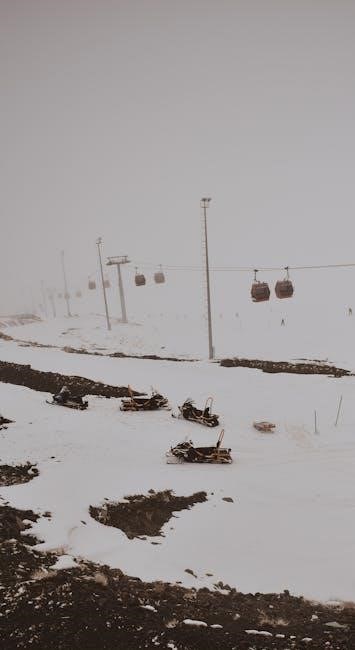
Essential Skills for Snowmobile Ski Guides
Snowmobile ski guides require a diverse skillset: avalanche safety, wilderness first response, snowmobile expertise, and advanced skiing proficiency are all critically important․
Avalanche Safety Training & Certification
Avalanche safety training is absolutely paramount for snowmobile ski guides․ Guides must possess comprehensive knowledge of snowpack assessment, terrain analysis, and weather patterns influencing avalanche risk․ Certification from a recognized organization, such as the American Avalanche Association (AAA) or equivalent, is non-negotiable․
This training encompasses recognizing avalanche terrain, understanding how various factors contribute to instability, and employing effective route-finding strategies to minimize exposure․ Proficiency in using avalanche safety gear – transceiver, shovel, and probe – is crucial, alongside practical rescue skills honed through regular practice and scenario-based training․ Continuous education and recertification are essential to stay current with evolving best practices and maintain a high level of preparedness for mitigating avalanche hazards in the backcountry․
Wilderness First Responder (WFR) Certification
Snowmobile ski guides operate in remote environments where immediate medical assistance is often unavailable, making Wilderness First Responder (WFR) certification a critical requirement․ This intensive training equips guides to assess and manage medical emergencies in the backcountry, providing extended care until evacuation is possible․
WFR courses cover a wide range of topics, including trauma management, wound care, environmental illnesses, and patient evacuation techniques․ Guides learn to improvise with limited resources, stabilize injuries, and make critical decisions in challenging situations․ Certification demonstrates a commitment to client safety and the ability to respond effectively to medical incidents, ranging from minor injuries to life-threatening emergencies․ Regular recertification is vital to maintain proficiency and stay updated on current medical protocols․
Snowmobile Operation & Maintenance
Snowmobile ski guides must possess expert-level skills in snowmobile operation and maintenance, as these machines are fundamental to accessing backcountry terrain․ Proficiency extends beyond basic riding; guides need to navigate varied snow conditions, steep slopes, and challenging obstacles safely and efficiently․
Comprehensive understanding of snowmobile mechanics is crucial for field repairs and preventative maintenance․ Guides should be capable of diagnosing and fixing common issues like track adjustments, engine problems, and ski alignment․ Regular maintenance, including fluid checks, belt inspections, and overall system assessments, ensures reliability․ Familiarity with specific models suited for guiding, like those from Lynx, and consulting dealers for appropriate choices are also essential for safe and successful trips․
Skiing Proficiency – Beyond Intermediate
Snowmobile ski guides aren’t simply strong skiers; they require a level of expertise significantly beyond intermediate․ They must demonstrate mastery in diverse snow conditions – powder, crust, ice – and navigate complex terrain with confidence and control․ This includes proficient parallel skiing, dynamic turn initiation, and efficient uphill techniques like skinning․
Guides need to assess snow stability and make informed decisions about route selection, often leading groups through challenging backcountry environments․ Knowledge of different ski touring equipment – skis, bindings (Salomon, Atomic, Tecnopro, Scott), and boots – is vital․ They must also be capable of self-rescue and assist clients in difficult situations, requiring advanced skiing skills and a deep understanding of mountain dynamics․
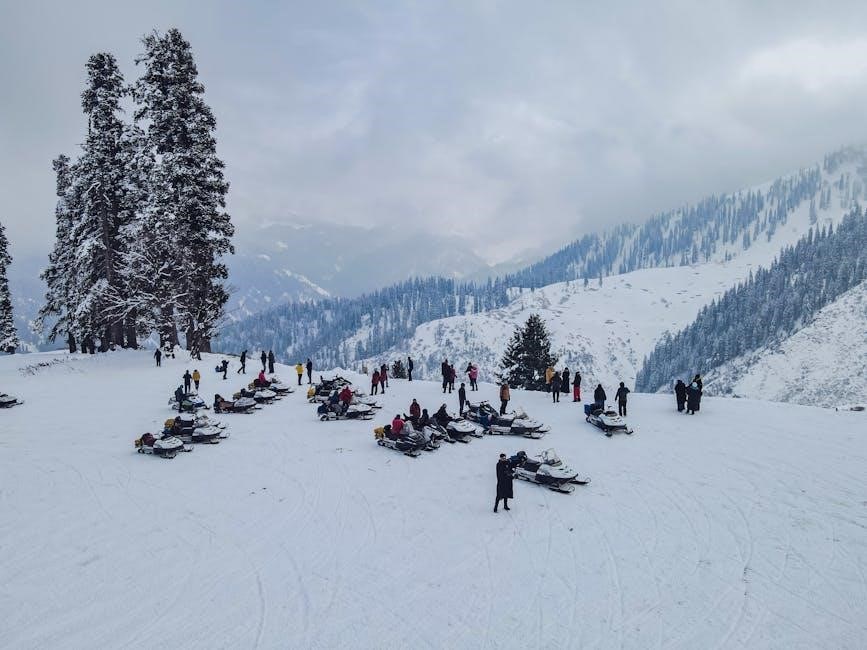
Equipment for Snowmobile Ski Guides
Snowmobile ski guides rely on specialized gear: reliable snowmobiles, avalanche safety tools, robust communication devices, and personal ski touring equipment for safe, efficient backcountry access․
Snowmobile Specifics – Models for Guiding
Selecting the right snowmobile is crucial for a snowmobile ski guide․ Durability, reliability in extreme conditions, and sufficient power to navigate varied terrain are paramount․ Original Lynx accessories are designed for enduring heavy use in Northern conditions, suggesting their suitability․
Guides often prioritize models known for their towing capacity, essential for hauling ski equipment and rescue gear․ Considering the demands of guiding, a wider, more stable track enhances control, particularly in deep snow․ Consulting a snowmobile dealer is vital to match the machine to specific terrain and client needs․
While specific models aren’t explicitly named, the focus is on machines capable of handling challenging environments and providing a secure platform for accessing backcountry ski areas․ Regular maintenance is non-negotiable, ensuring operational readiness and minimizing risks during guiding operations․
Avalanche Safety Gear – Transceiver, Shovel, Probe
Essential avalanche safety gear is non-negotiable for snowmobile ski guides․ A digital transceiver, functioning correctly, is the primary tool for locating buried individuals․ Guides must be proficient in transceiver search techniques, practicing regularly to maintain skill․
A sturdy, metal avalanche shovel is critical for efficient excavation․ Plastic shovels are insufficient; a robust blade is necessary to move large volumes of snow quickly․ Complementing the shovel is an avalanche probe, used to pinpoint the exact location and depth of a buried victim․
Guides must carry and know how to use all three components, alongside receiving comprehensive avalanche safety training․ Regular gear checks are vital before each trip, ensuring batteries are fresh and equipment is in optimal working order, minimizing risk in avalanche terrain․
Communication Devices – Radios & Satellite Phones
Reliable communication is paramount for snowmobile ski guides operating in remote backcountry areas․ Two-way radios are essential for maintaining contact within the group, facilitating real-time coordination and quick responses to changing conditions or emergencies․
However, radio range is limited, especially in mountainous terrain․ Therefore, a satellite phone is a crucial backup, providing connectivity when cell service is unavailable․ This allows guides to contact emergency services or relay critical information․
Guides must be proficient in using both devices, understanding their limitations, and establishing clear communication protocols․ Pre-planned check-in times and designated emergency channels are vital components of a comprehensive safety plan, ensuring swift assistance if needed․
Ski Touring Equipment – Skis, Bindings, Boots
Snowmobile ski guides require specialized ski touring equipment designed for backcountry travel․ Skis should be appropriate for varied snow conditions, often favoring wider models for floatation in deep powder․ Compatibility with bindings is crucial for efficient uphill travel․
Pin bindings, offering a lightweight and efficient touring mode, are commonly preferred․ Guides must be knowledgeable about specific binding models – Salomon, Atomic, Tecnopro, and Scott are frequently used – and ensure compatibility with client setups․
Boots must be comfortable for both ascending and descending, providing adequate support and warmth․ Regular equipment checks are essential, verifying proper function and addressing any wear or damage to ensure client and guide safety throughout the trip․
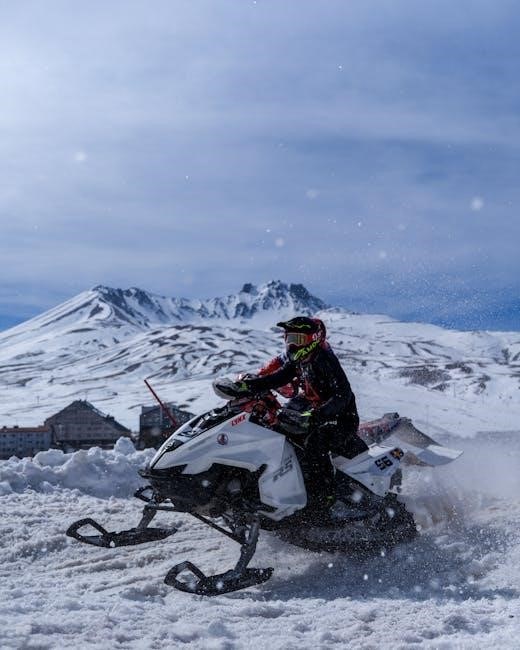
Planning a Snowmobile Ski Guiding Trip
Successful snowmobile ski guiding demands meticulous planning, including detailed route selection, thorough terrain assessment, and constant weather monitoring for optimal safety and enjoyment․
Route Selection & Terrain Assessment
Careful route selection is paramount for snowmobile ski guiding, prioritizing terrain suitable for the group’s skill level and current conditions․ Guides must analyze slope angles, aspect, and potential avalanche hazards using maps, aerial imagery, and on-site observation․
Terrain assessment involves identifying safe travel routes, potential hazards like tree wells or cliffs, and suitable ski terrain – considering powder depth, snow stability, and exposure․ Kamchatka’s volcanic slopes, for example, require specialized knowledge due to their unique geological features and potential for rapid weather changes․
Guides should pre-scout routes when possible, noting landmarks and alternative options․ Understanding how snowmobiles interact with different snow surfaces and terrain features is crucial for efficient and safe transport to prime skiing locations within Snowy Valley or Stratton Mountain․
Weather Forecasting & Monitoring
Accurate weather forecasting is non-negotiable for snowmobile ski guides, influencing route choices and daily operations․ Guides must access multiple sources – including detailed mountain forecasts – to understand predicted snowfall, temperature fluctuations, wind direction, and visibility․
Continuous monitoring throughout the trip is equally vital․ Changes in weather can rapidly alter snow conditions and avalanche risk․ Guides utilize handheld weather instruments to track temperature, wind speed, and precipitation in real-time․
Regions like Kamchatka, known for volatile weather, demand heightened vigilance․ Understanding how weather patterns impact snowpack stability is critical․ Guides must be prepared to adjust plans or even abort a trip if conditions deteriorate, prioritizing client safety above all else, even at Stratton Mountain․
Group Dynamics & Client Assessment
Effective snowmobile ski guides excel at assessing client abilities and experience levels before embarking on a trip․ This includes honest self-assessment questionnaires and pre-trip conversations to gauge skiing proficiency and physical fitness․ Understanding limitations is paramount for safety․
Group dynamics are equally crucial․ A guide must foster a positive, collaborative atmosphere, encouraging open communication and addressing any concerns․ Recognizing personality types and potential conflicts within the group helps maintain cohesion․
Guides must adapt their approach based on the group’s overall skill level, ensuring everyone feels comfortable and challenged appropriately․ Whether in Kamchatka’s volcanic terrain or Snowy Valley, a cohesive group enhances the experience and minimizes risk․
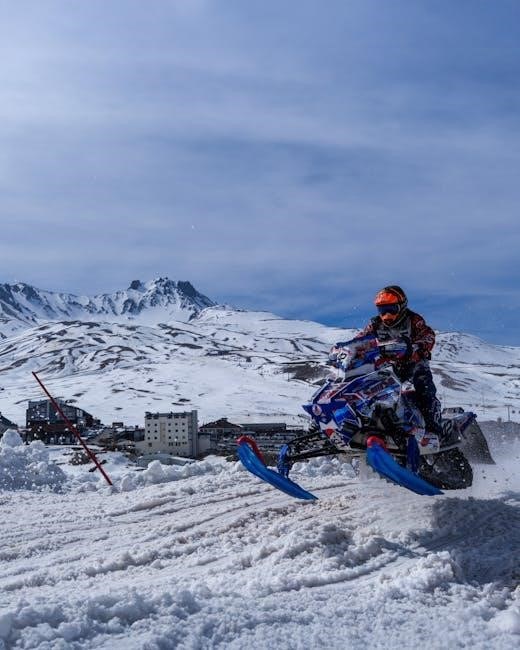
Safety Protocols & Risk Management
Snowmobile ski guides prioritize avalanche terrain recognition, comprehensive emergency procedures, and detailed rescue plans․ Client briefings and signed waivers are essential components․
Avalanche Terrain Recognition
Avalanche terrain recognition is paramount for snowmobile ski guides, demanding a deep understanding of slope angles, aspects, and snowpack conditions․ Guides must identify terrain traps – gullies, cliffs, and tree wells – that exacerbate avalanche consequences․
Recognizing persistent weak layers within the snowpack is crucial, as these can remain reactive for extended periods․ Assessing recent avalanche activity, weather patterns, and snowpack history informs risk assessment․ Guides utilize tools like slope meters and snow pits to evaluate stability․
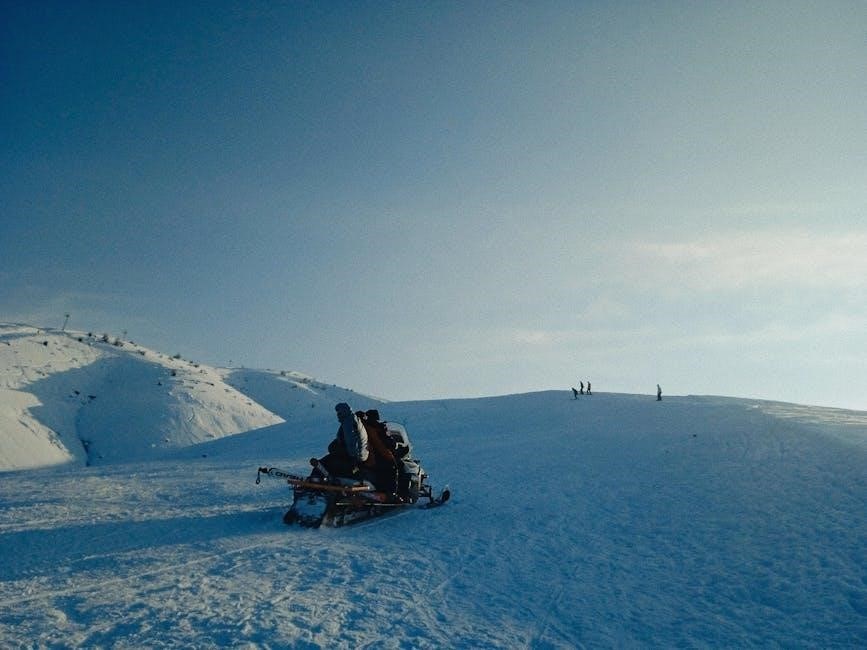
Continuous observation throughout the trip is vital, adapting plans based on changing conditions․ Effective communication within the guiding team and with clients regarding observed hazards is non-negotiable, ensuring a proactive safety approach in dynamic mountain environments․
Emergency Procedures & Rescue Plans
Snowmobile ski guides must establish comprehensive emergency procedures and rescue plans before each trip․ This includes detailed protocols for avalanche rescue, medical emergencies, and mechanical breakdowns․ Guides should carry and be proficient in using avalanche rescue gear – transceiver, shovel, and probe – and practice regular drills․
Pre-planned evacuation routes, considering snowmobile accessibility and potential weather impacts, are essential․ Guides need knowledge of local search and rescue resources and communication protocols․ First aid and CPR certification are mandatory, alongside Wilderness First Responder (WFR) training․
Clear roles and responsibilities within the guiding team during an emergency are vital for efficient response․ Regular review and updates to these plans, based on experience and changing conditions, ensure preparedness․
Client Briefings & Waivers
Snowmobile ski guides must conduct thorough client briefings before each excursion․ These briefings cover expected terrain, potential hazards – including avalanche risk – weather forecasts, and appropriate behavior in the backcountry․ Guides should clearly explain the inherent risks of backcountry skiing and snowmobile travel․
A comprehensive waiver is crucial, outlining potential risks and releasing the guiding company from liability for inherent dangers․ Clients must understand and sign this waiver before participating; The briefing should also cover emergency procedures, communication protocols, and the importance of following the guide’s instructions․
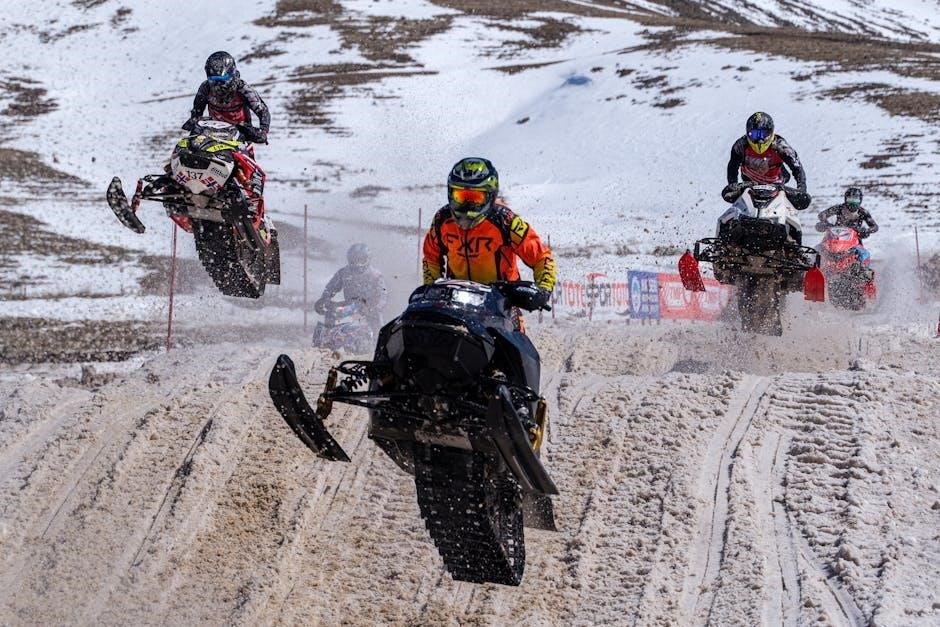
Guides should assess each client’s skiing ability and experience level to ensure they are appropriately suited for the planned route․ Open communication and addressing client concerns are paramount for a safe and enjoyable experience․
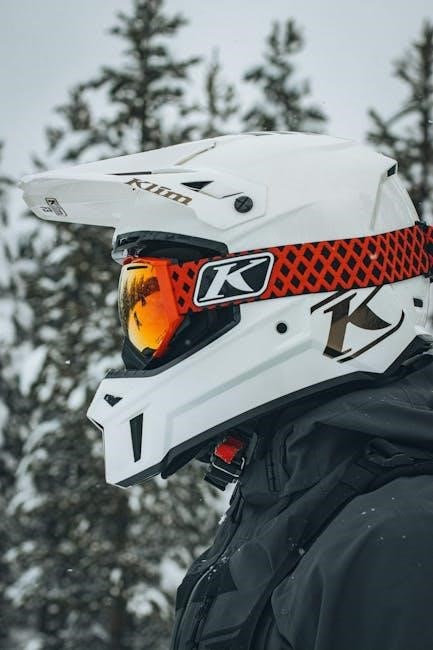
Destinations for Snowmobile Ski Guiding
Snowmobile ski guiding thrives in diverse locations like Kamchatka’s volcanic terrain, Snowy Valley’s backcountry access, and Stratton Mountain’s combined winter offerings, attracting adventurers․
Kamchatka, Russia – Volcanic Terrain
Kamchatka, Russia, presents a truly exceptional destination for snowmobile ski guiding, boasting a landscape dominated by stunning, snow-covered volcanoes․ Ten days immersed in Kamchatka’s nature allows for skitouring on wild, untouched slopes, offering a unique backcountry experience․
Freeride tours, often combining helicopter skiing, snowmobiling, and backcountry exploration with the Kamchatka Freeride Community, are incredibly popular․ The region demands a high level of skiing proficiency and good physical condition due to the challenging terrain and remote access․ Guides navigate through pristine powder fields, accessing lines unavailable by other means․
This location is ideal for experienced skiers seeking adventure in a raw, untamed environment, guided by professionals who understand the volcanic landscape and its unique conditions․
Snowy Valley – Heliskiing & Backcountry Access
Snowy Valley distinguishes itself as a premier location offering a diverse range of winter activities, including heliskiing, heliboarding, and backcountry skiing facilitated by snowmobile access; Snowmobiles efficiently transport skiers to the summit, bypassing lengthy ascents and maximizing time spent enjoying pristine powder․
This accessibility makes it a popular choice for varying skill levels, allowing guides to tailor experiences to client abilities․ Beyond snowmobile-assisted backcountry tours, the valley provides traditional ski tours for those preferring a more self-propelled adventure․ The combination of options caters to a broad spectrum of winter enthusiasts․
Snowmobile ski guides in Snowy Valley expertly navigate the terrain, ensuring both thrilling descents and safe, efficient transport․
Stratton Mountain – Combined Winter Activities
Stratton Mountain presents a unique environment for snowmobile ski guiding, distinguished by its comprehensive range of winter recreational opportunities․ Beyond exceptional skiing and snowboarding, the resort boasts a tubing park, indoor rock climbing, and an outdoor ice skating rink, creating a vibrant destination for families and adventure seekers․
Snowmobile tours, even tailored for children, complement the skiing experience, offering a different perspective of the mountain landscape․ Snowmobile ski guides leverage this diverse terrain, providing access to backcountry areas for more advanced skiers seeking untouched powder․
The integrated nature of Stratton’s offerings enhances the overall visitor experience, making it an attractive location for guided snowmobile ski adventures․
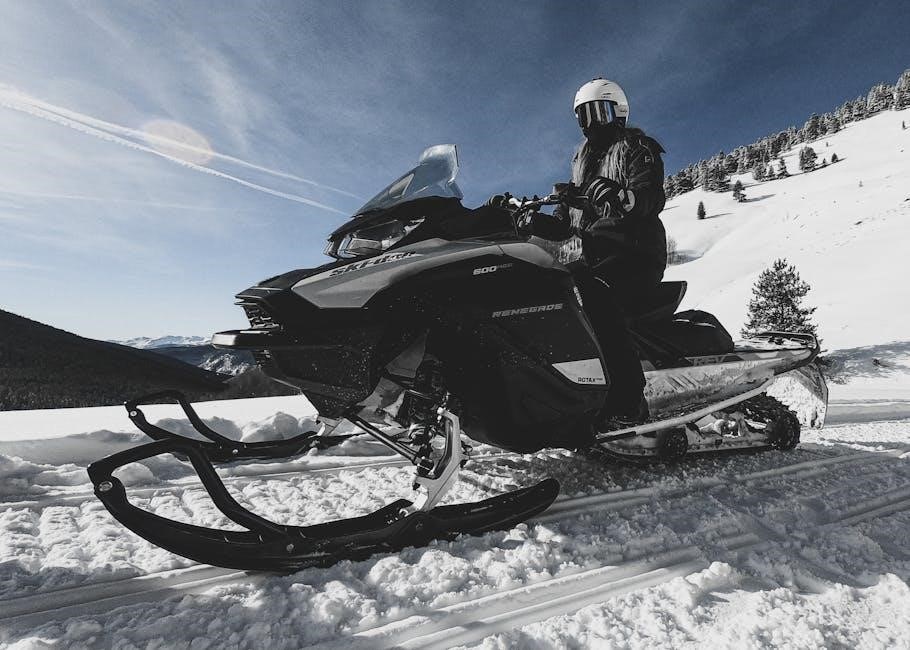
The Future of Snowmobile Ski Guiding
Snowmobile ski guiding will evolve with advancements in safety gear and a growing emphasis on sustainable practices, ensuring responsible backcountry access for all․
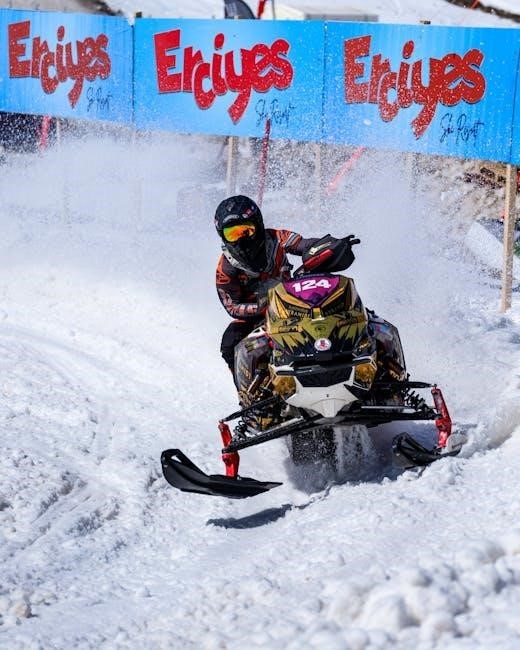
Technological Advancements in Safety Gear
Snowmobile ski guiding safety is undergoing a revolution driven by technological innovation․ Modern avalanche transceivers boast improved digital signal processing and wider search strips, dramatically increasing the speed and accuracy of locating buried individuals․
Beyond transceivers, advancements in probe technology offer greater durability and ease of deployment in challenging snow conditions․ Shovel designs are also evolving, prioritizing efficient snow removal with ergonomic handles and robust blade materials․
Furthermore, integrated communication systems, including satellite phones and enhanced radio capabilities, are becoming standard equipment, ensuring reliable connectivity in remote areas․ These tools allow guides to maintain contact with rescue services and coordinate emergency responses effectively․ The future promises even more sophisticated predictive modeling and real-time data analysis to mitigate risks․
Sustainable Guiding Practices
Snowmobile ski guiding operations are increasingly focused on minimizing environmental impact and preserving the backcountry experience for future generations․ This includes adopting responsible snowmobile operation techniques, such as minimizing disturbance to wildlife habitats and adhering to designated travel corridors․
Guides are prioritizing “leave no trace” principles, packing out all waste and avoiding sensitive ecological areas․ Education plays a crucial role, with guides informing clients about responsible backcountry etiquette and the importance of conservation․
Furthermore, selecting snowmobile models with reduced emissions and exploring alternative fuel sources are gaining traction․ Supporting local communities and promoting responsible tourism are also integral components of sustainable guiding practices, ensuring long-term viability and respect for the environment․